Updated for 2026 — This article has been reviewed and updated with the latest recommendations.
Best Smart Farming Technology and Equipment in 2026
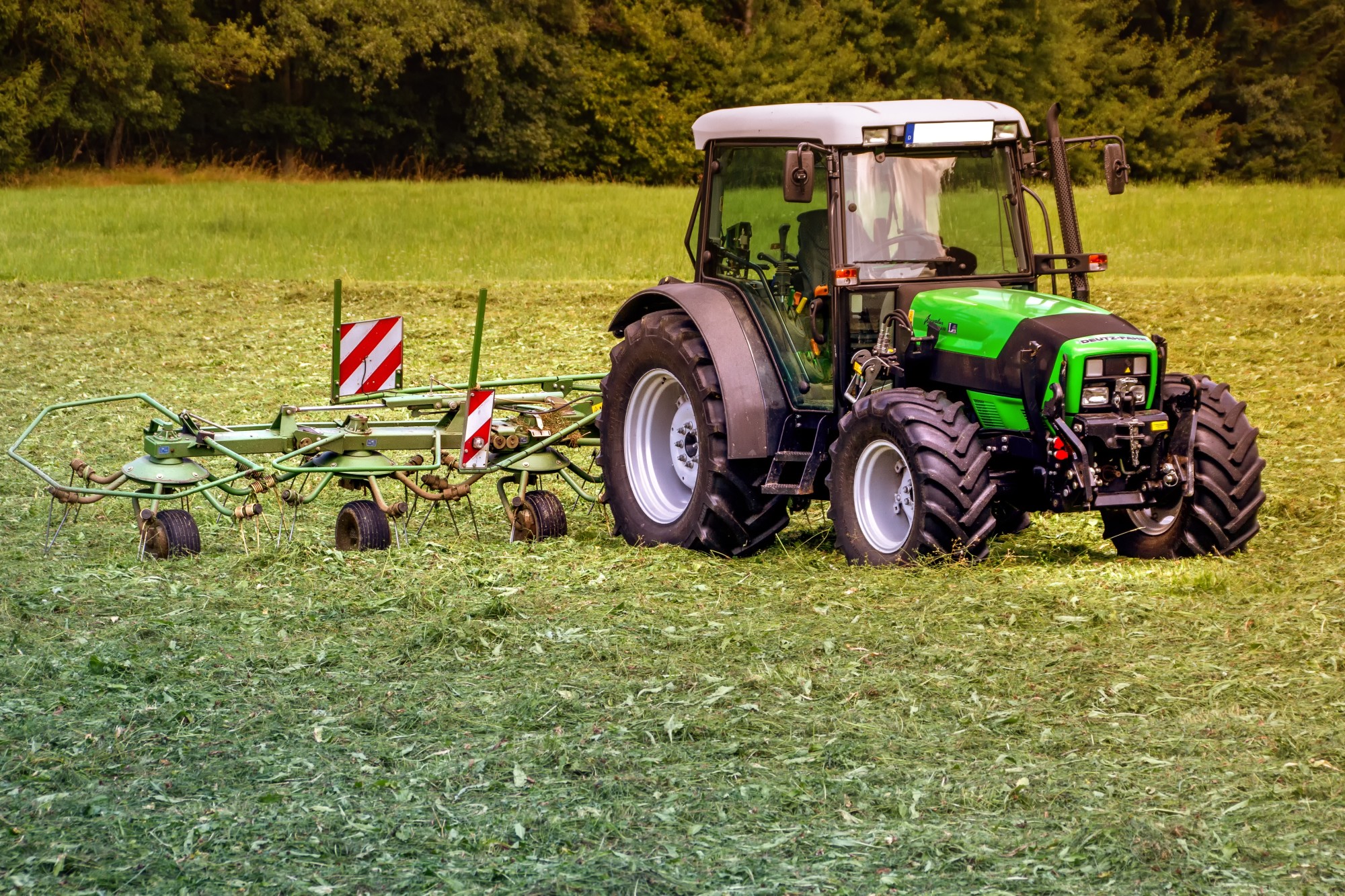
Precision agriculture technology has moved from experimental to essential. In 2026, even mid-size farms use GPS-guided equipment, drone surveillance, and AI-powered soil analysis as standard practice. The return on investment for smart farming tools has become clear enough that the question is no longer whether to adopt, but which systems deliver the most value for your operation.
Technology Comparison
| Technology | Top Product | Best For | ROI Timeline |
|---|---|---|---|
| GPS Auto-Steer | John Deere StarFire 7000 | Row crop farms | 1-2 seasons |
| Agricultural Drones | DJI Agras T50 | Crop monitoring/spraying | 1-3 seasons |
| Soil Sensors | Teralytic Probe System | Precision nutrient management | 1 season |
| Farm Management Software | Trimble Ag Software | Data-driven decisions | Immediate |
| Robotic Weeders | Carbon Robotics LaserWeeder | Organic/specialty crops | 2-3 seasons |
1. John Deere StarFire 7000 GPS System - Best Auto-Steer
The StarFire 7000 receiver paired with AutoTrac guidance delivers sub-inch accuracy across planting, spraying, and harvesting operations. That precision translates directly to less seed waste, reduced chemical overlap, and straighter rows that optimize every acre. Farmers consistently report 5-10% input savings in the first season, which offsets the hardware cost quickly on larger operations.
Integration with the John Deere Operations Center means every pass generates usable data. You can overlay yield maps, soil samples, and application records to make genuinely informed decisions about variable-rate seeding and fertilization. The 2026 firmware update added improved RTK correction processing that maintains accuracy even in challenging terrain.
The ecosystem lock-in is the main concern. Deere system works best with Deere equipment, and cross-brand compatibility, while improving, still involves workarounds. If your fleet is mixed-brand, consider Trimble or Raven alternatives that play nicer with multiple manufacturers.
2. DJI Agras T50 - Best Agricultural Drone
The Agras T50 combines crop surveillance and precision spraying in a single platform. Its 40-liter spray tank covers up to 50 acres per hour with centimeter-level accuracy, applying pesticides, herbicides, or foliar nutrients exactly where multispectral imaging shows they are needed. Compared to tractor-based spraying, the T50 reduces chemical use by 30-40% through targeted application.
The dual multispectral and RGB camera system produces crop health maps that identify stress patterns weeks before they become visible to the naked eye. Early detection of nutrient deficiencies, disease pressure, or pest damage gives you time to respond before yield loss occurs. The flight planning software automates survey routes for consistent coverage.
Regulatory requirements remain the biggest hurdle. Part 137 agricultural aircraft certification, FAA waivers for beyond-visual-line-of-sight operations, and state-specific pesticide applicator licenses all add complexity. Budget for training and certification alongside the hardware cost, which runs around $20,000 for the complete system.
3. Teralytic Probe System - Best Soil Monitoring
Teralytic wireless soil probes measure 26 different soil metrics at three depths, transmitting data every 15 minutes to a cloud dashboard. Nitrogen, phosphorus, potassium, moisture, temperature, salinity, and respiration readings give a complete picture of what is happening underground without sending samples to a lab and waiting days for results.
The real-time data changes irrigation and fertilization from calendar-based schedules to actual plant needs. Farmers using Teralytic consistently report 15-25% reductions in water and fertilizer use while maintaining or improving yields. The probes pay for themselves within a single growing season on most crops through input savings alone.
Coverage density matters. Each probe monitors a limited radius, so field variability means you need enough probes to represent your soil zones accurately. At roughly $600 per probe plus a monthly data subscription, scaling to a large operation requires meaningful investment. Start with your most variable fields and expand based on results.
4. Trimble Ag Software - Best Farm Management Platform
Trimble Ag Software consolidates field records, prescription maps, equipment tracking, and financial data into a single platform. The connected farm approach means data flows from GPS receivers, yield monitors, and soil sensors directly into planning tools without manual entry. Variable-rate prescriptions generated from the software upload wirelessly to compatible equipment.
The 2026 version added AI-powered yield prediction models that combine historical field data with weather forecasts and satellite imagery to estimate harvest outcomes months in advance. These predictions help with marketing decisions, storage planning, and crop insurance documentation. Accuracy improves each season as the model learns from your specific fields.
Like most comprehensive ag software, the learning curve is steep. Plan on several winter evenings getting historical data imported and understanding the platform before planting season. Trimble offers training programs, and dealer support helps with initial setup, but this is not plug-and-play software.
5. Carbon Robotics LaserWeeder - Best Robotic Weeder
The LaserWeeder uses computer vision and high-powered lasers to eliminate weeds without chemicals or soil disturbance. It identifies weed species using AI trained on millions of images, then fires precisely targeted laser pulses that kill weed tissue without damaging adjacent crop plants. Processing up to 200,000 weeds per hour, it handles field-scale operations at practical speeds.
For organic growers, the economics are compelling. Eliminating hand-weeding crews saves $150-300 per acre on labor-intensive crops like vegetables and specialty greens. Conventional growers benefit from reduced herbicide costs and the ability to manage resistant weed populations that chemicals no longer control effectively.
The purchase price exceeding $1 million puts ownership out of reach for most individual farms. Custom application services and cooperative ownership models make the technology accessible to smaller operations. Carbon Robotics also offers seasonal rental arrangements in some regions. As production scales, prices should decrease, but for now, access through service providers is the practical path for most growers.
Getting Started
Begin with the technology that addresses your biggest cost or yield limitation. Soil sensors deliver the fastest ROI for most operations. GPS guidance is essential if you are still running manual steering. Drones make sense once you have the data infrastructure to act on aerial insights. Layer technologies gradually rather than trying to adopt everything simultaneously.
Final Thoughts
Smart farming technology in 2026 is mature enough to deliver reliable returns. Start with data collection, move to data-driven application, and build toward automation. Each step compounds the value of previous investments.
Get the best of OTBVA
Expert guides, reviews, and tips delivered to your inbox. No spam, unsubscribe anytime.